The Evolution of Tunnel Fits
The Evolution of Tunnel Fits
From Game-Day Arrival to Fashion Runway
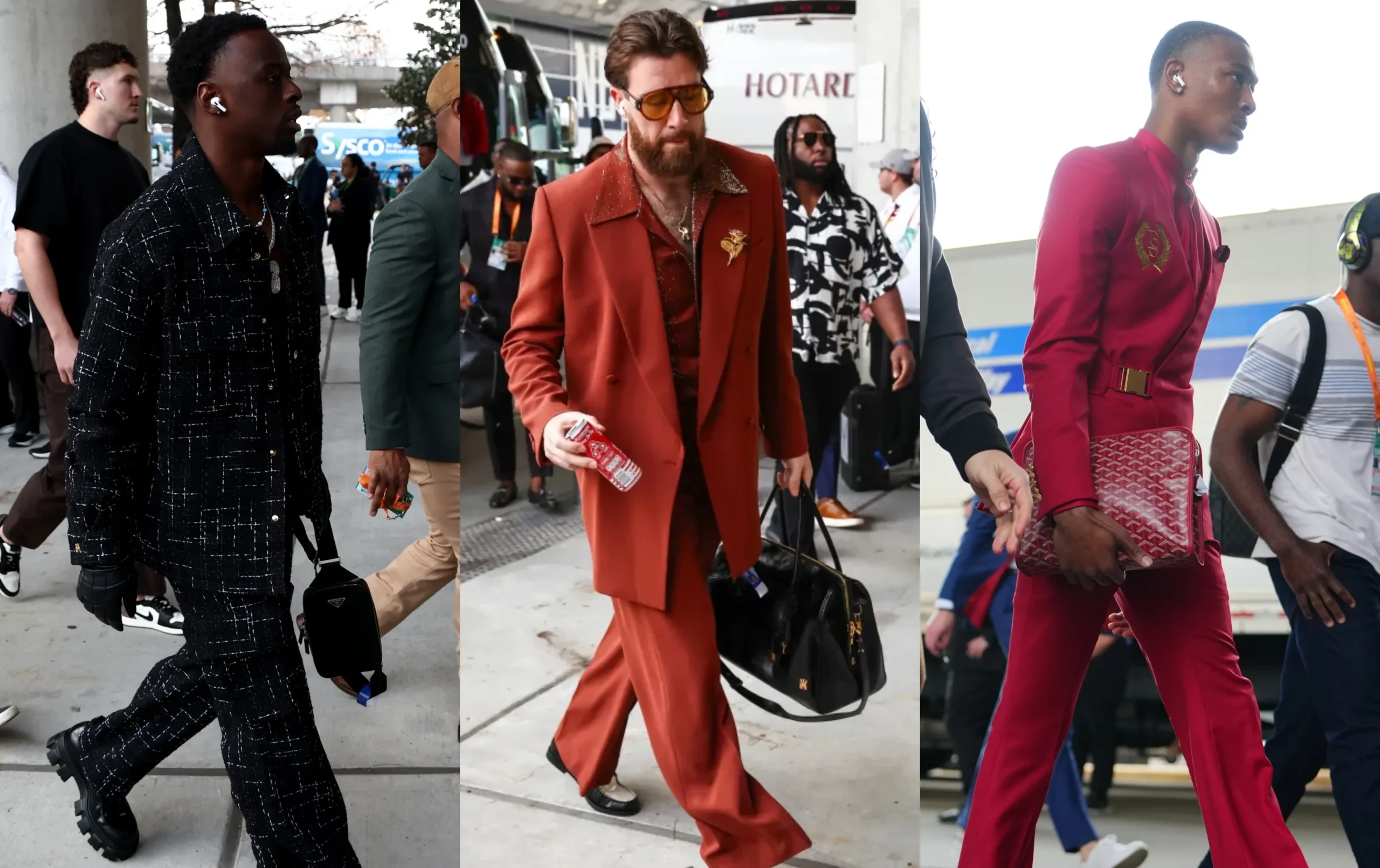
Walking into the arena used to be a quiet ritual. Players showed up in sweats, headphones on, eyes locked on the upcoming game. Today, the pregame tunnel has turned into one of the most-watched runways in the world. What started as casual arrivals is now a fashion show where athletes express personality, push boundaries, and set trends. The NBA played a huge role in elevating this space.
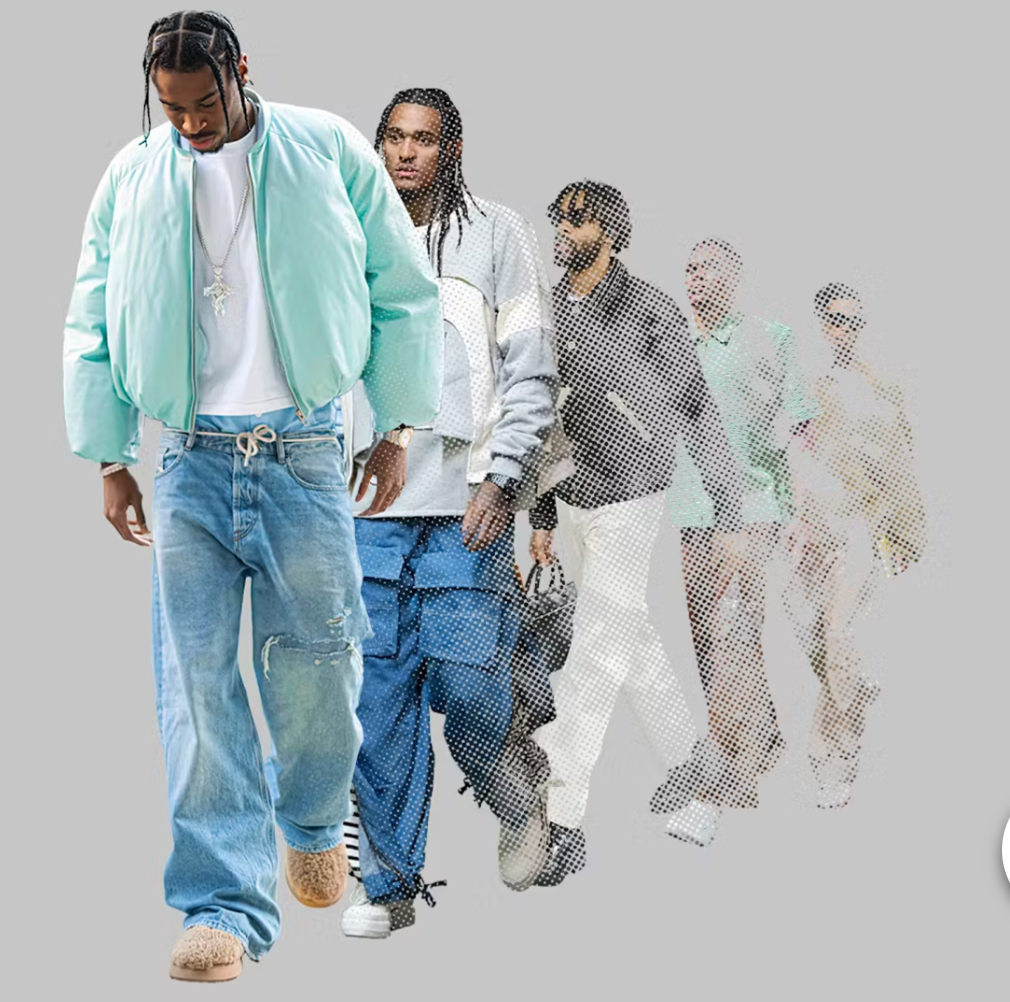
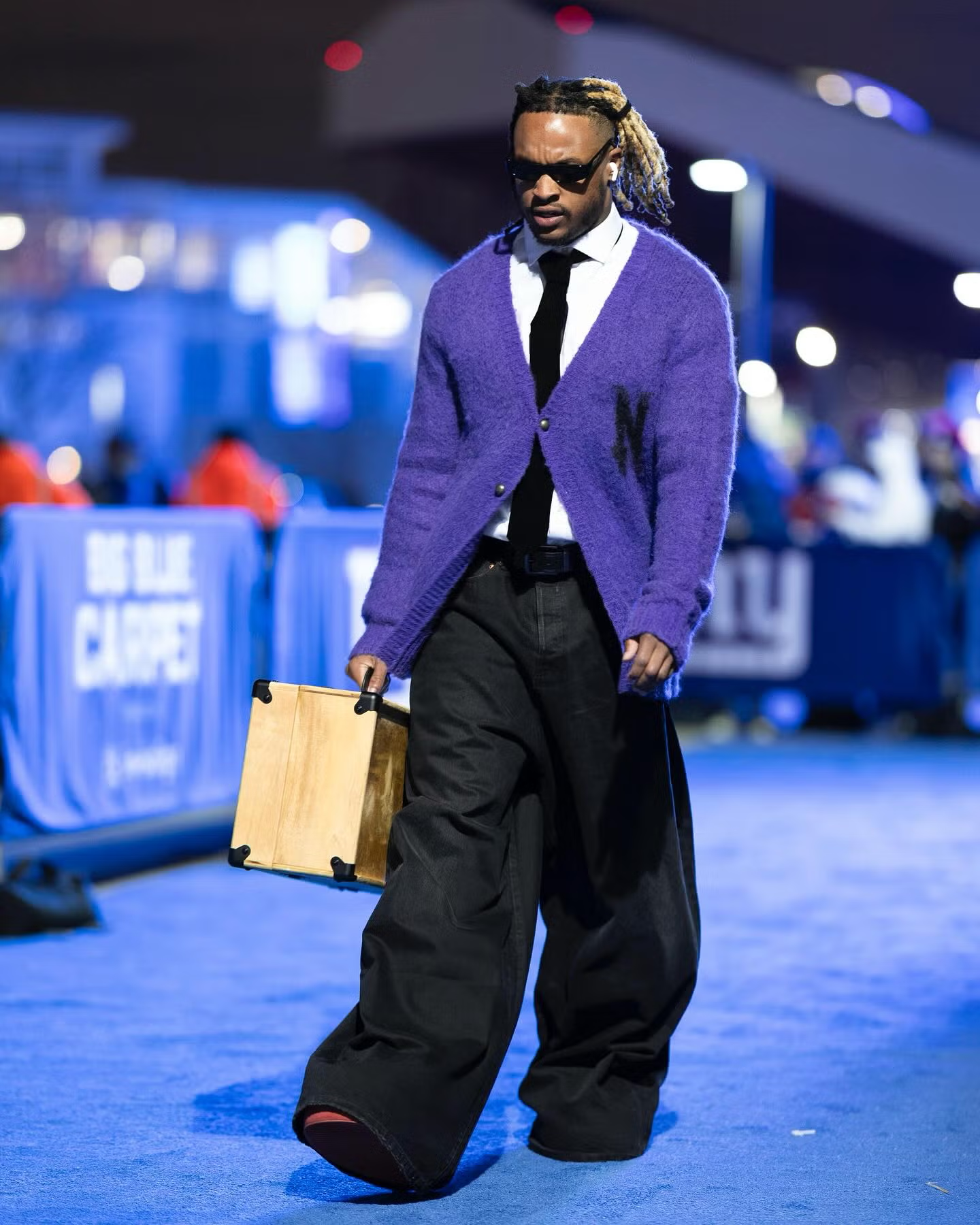
Think back to Allen Iverson in the early 2000s. His baggy jeans, chains, and oversized tees not only reflected hip-hop culture but also forced the league to create its infamous dress code. That attempt to control player image only ignited more creativity. Players began experimenting with tailored suits, luxury brands, and eventually bold designer pieces. Fast forward, and guys like Russell Westbrook, Shai Gilgeous-Alexander, and Kyle Kuzma now use the tunnel as a personal stage.The shift also ties into social media. Outfits aren’t just for teammates to see anymore. Instagram, TikTok, and league photographers turn every look into content.
Brands quickly realized the marketing value. When LeBron rocks Thom Browne, or PJ Tucker pulls out rare sneakers, it influences consumers instantly. Fashion houses now court athletes in the same way they do musicians or actors. What’s special is that tunnel fashion feels authentic. It isn’t just stylists dressing players to check boxes. Many athletes work closely with creative directors or even launch their own brands, blending luxury with streetwear. It’s a new form of storytelling. The tunnel has become the unofficial crossover between sports and fashion, and at this point, it’s as much a part of the game as the actual tip-off.